
The detractors are out there and many in numbers if you believe me. The argument that man marking in set pieces is a way better method of de...
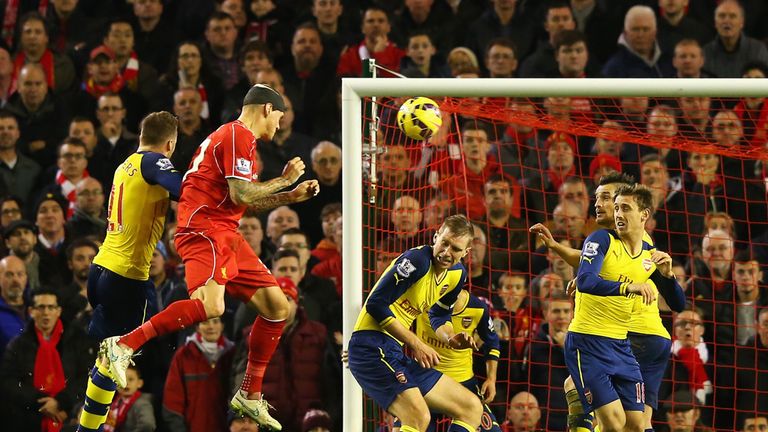
The detractors are out there and many in numbers if you believe me. The argument that man marking in set pieces is a way better method of defending set pieces than the zonal marking, and most times this argument comes up when teams, concede from the set-pieces when the zonal marking is employed.
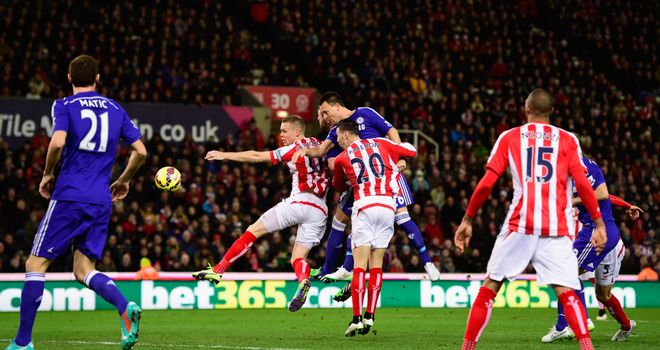 |
| Chelsea's John Terry also benefited from the zonal marking |
Whatever the marking style is, the opposition has one goal in mind, getting the crossed ball into the back of the net and movements from well-orchestrated training ground set plays leave the defending helpless. But why does Zonal Marking get much of the blame?
 |
| Calum Chambers leaves a large gap between him and Skrtel, and the result was two dropped points |
The argument most times is that- common physics which they refer to, a running player would attain a higher jump than a standing player.
Another is that, not getting into the space of a player allows him to focus only on the flight of the ball and not trying to avoid his defender, giving him better judgment of the ball, greater positioning, and a greater chance of scoring.
 |
| An example of a typical man marking in the EPL |
True… but what don’t you know about the ZM?
The zonal marking style has been around for a while and is still employed in greater parts of Europe and on the continental stage.

For better reference, Rafa Benitez was a great master of this, using this method to much success in Europe and in the Premier League as well.

The voices are louder against this style of defending set-pieces because Arsenal, time and time over again, have not been successful with it. And for a fact is that, most defending from wide free kicks take-up the zonal marking than the man marking.
Protecting the dangerous areas is the most important aim of the zonal marking. The near post, the six yard box and the spot kick area because most of the times, regardless of how poor the set-piece taker is, the ball seems to fall into those zones and rarely reach the back post.
And? What’s The Advantage?
The zonal marking does not hand out an instruction that prevents a defender from having a running jump, the zonal marking instructs clear the ball out in your zone.

Just as the attacking player has the same time of judging flight of the ball and positioning himself, the defender has the same time and could also have a running jump.
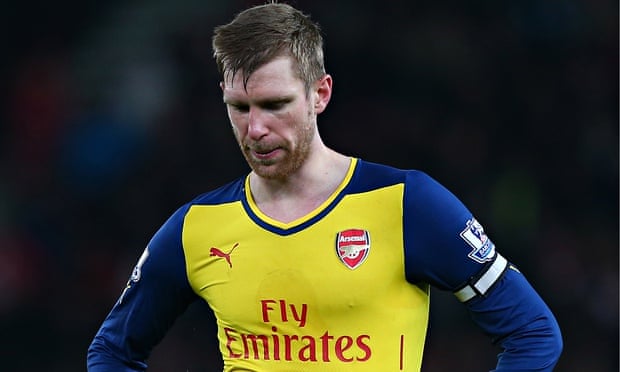
As Per Mertesacker rightly said "When you play zonal, you need to attack the ball and try to get the best players out and mark tightly when they are in front of you," Most times, defenders get caught out been flat-footed in the zones because the natural reaction to look out for your opposing player than judge the ball is not easily suppressed.

Loose balls, second-chance balls, deflections are better dealt with in the zonal marking than the man-marking style.
Given that the defending team is focused clearly on dealing with the ball, greater chances in clearing these types of balls would be easier than in the man marking style where focus is on the man than on the ball most times.
A weakness of the man-marking style is the ability for the opposition to draw out your best headers away from the dangerous areas therefore leaving your dangerous areas unguarded. This is due to the fact that the instruction suggests following a specific target. Very easy, run away from goal, and the defender follows suit!
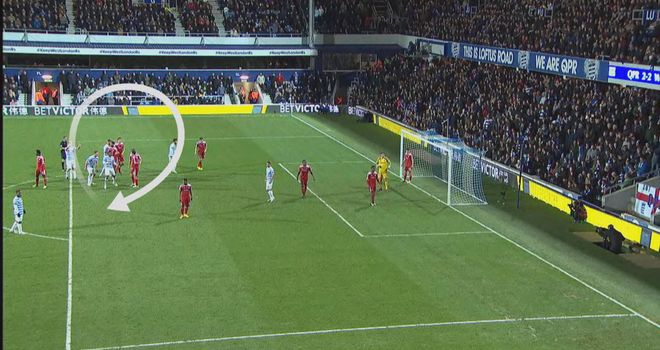
Another problem of the man-marking system is the new way coaches have found to beat it by employing basketball screens- the screen is a blocking move by an offensive player, by standing beside or behind a defender, to free a teammate to shoot, receive a pass, or drive in to score.
While blocking or obstructing a player to gain advantage in football is illegal, the inability for the referee to make a call on this illegal play is sometimes lost in his or her perception of “natural collision”.
This can only happen in man-marking as this style of marking brings about this sporting mêlée.
While some shy away from making a risky call, some referees are getting bolder to be honest, they see shirt pulling, impediments and penalties are awarded, and such situation only promotes the need to be “hands-off in the box” why not play safe and go zonal?
Contribution To Soccer Knowledge
I have not thought of a name to call it, (Chukaism, Chukan?) but I’m suggesting a defensive play to limit the weakness of the zonal marking, whereby, opposition best headers or attackers get into areas considered as non-danger zones and cause danger.
A combination of the zonal marking and man-marking, where the best two headers of the ball or greatest threats in set-pieces (what about personavaloradism?- closest I could get to MVP), are identified and man marked with the remaining defending players kept in the zonal marking.
This allows for guarding of these threats and protecting the dangerous areas as well. Not bad, eh?
Conclusion
The failure of Arsenal players to cope with the demands of the zonal marking in set-pieces does not make it a failure; it requires constant communication, player familiarity, and a degree of trust in your colleague’s ability to defend his zones.
It takes time to get used to but could be highly rewarding. Intelligence beats physicality every time. Be intelligent.
Written By: @ChukaMVP


